This article was first published April 13, 2026, in The Existentialist Republic.
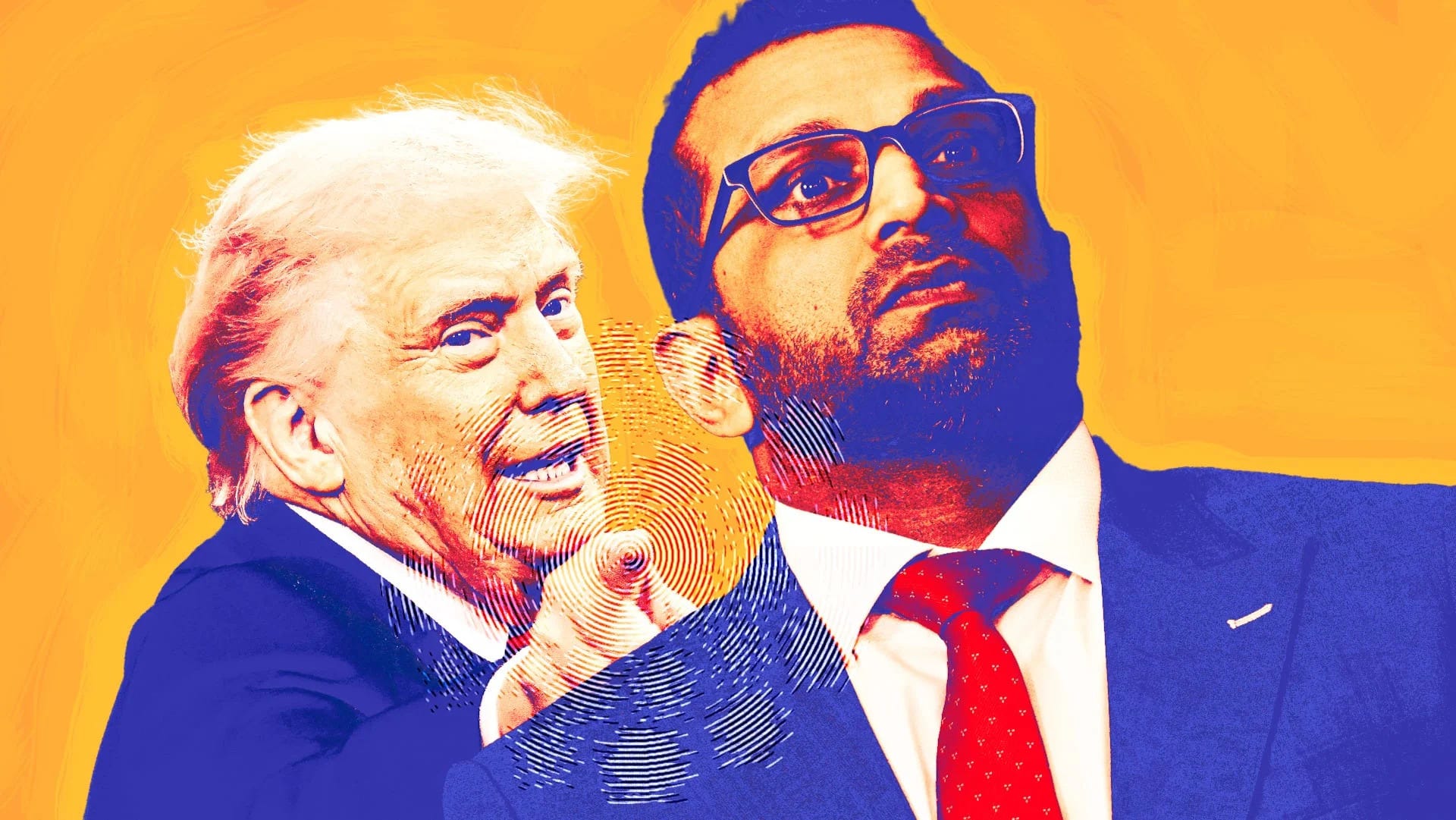
Volunteers are building prosecution memoranda for Donald Trump and members of his cabinet. Here at The Existentialist Republic, we already completed that work for Elon Musk and DOGE personnel. Now we are applying it to Trump, his entire cabinet, and all 50 states. Those memos are going to attorneys general across the country, and before they arrive, we need every AG in America on public record, in front of their own constituents. We have two questions for them. You will find them below.
A yes answer is a commitment we will hold in public. A no answer, or a non-answer, tells the people in that state exactly what kind of prosecutor they have before the next election gives them a chance to fix it. Either way, the record exists, and it belongs to the readers who created it.
We learned this from the DOGE campaign. When constituents make contact first, officials have to account for themselves twice: once when the questionnaire arrives, and again when the prosecution memo follows. That is the priming step, and it only works if enough people take it.
Most AG offices receive a handful of emails on any single subject on a given day. The rest are constituents asking for personal help. Two hundred emails asking the same two questions, arriving the same week, is something no communications director files away. It becomes a staff meeting. It becomes a response. It becomes a record.
Both questions have a correct answer, and the answers are verifiable. No law, statute, ruling, or constitutional amendment grants a president complete immunity from state prosecution. Trump v. Vance confirmed it. The dual sovereignty doctrine is settled law, reaffirmed in Gamble v. United States in 2019. The pardon power is textually limited to federal offenses. Question two asks whether an AG will conduct a standing analysis and present evidence to a grand jury if the evidence meets threshold. That is the normal prosecutorial process. Neither question overstates state authority or makes a claim that can be honestly refuted. The 2024 immunity ruling in Trump v. United States creates complications for prosecuting specific official acts, but it appears nowhere in these questions because these questions are about authority and process, not outcomes. We did the research. Both hold up. For the complete legal analysis, doctrine by doctrine, objection by objection, read this.

Prosecutorial Accountability Questionnaire for State Attorney General
Your answers to these questions will be published in full, without editing, alongside the answers of every other attorney general in the country. Offices that decline to respond will be identified as having declined.
Question 1: Is there any law, statute, Supreme Court ruling, or constitutional amendment that grants a sitting president complete and total immunity from state-level investigation and criminal prosecution for violating that state’s laws? Please answer yes or no and briefly explain the legal basis for your answer.
Question 2: If your office receives documented evidence suggesting potential criminal violations of your state’s laws by a sitting president, cabinet member, or staff at the DOJ or FBI, do you commit to conducting an independent standing analysis and, if the evidence meets the threshold for prosecution, presenting that evidence to a grand jury?
Join the discussion on r/ExistentialRepublic